You spot a trail of ants crossing your kitchen counter at 6 AM. By noon, the line has doubled. By dinner, they own the room.
Call 800-750-9253Yale Pest Control eliminates ant colonies at the source across Connecticut. We have solved ant infestations for 43 years using Integrated Pest Management, not just surface sprays that scatter the problem.
Ant control is a pest management discipline that identifies the species, locates the colony and satellite nests, and applies targeted treatments to eliminate the entire population. Effective ant control addresses harborage sites and entry points rather than killing only visible foragers. The goal is colony elimination, not contact kill.
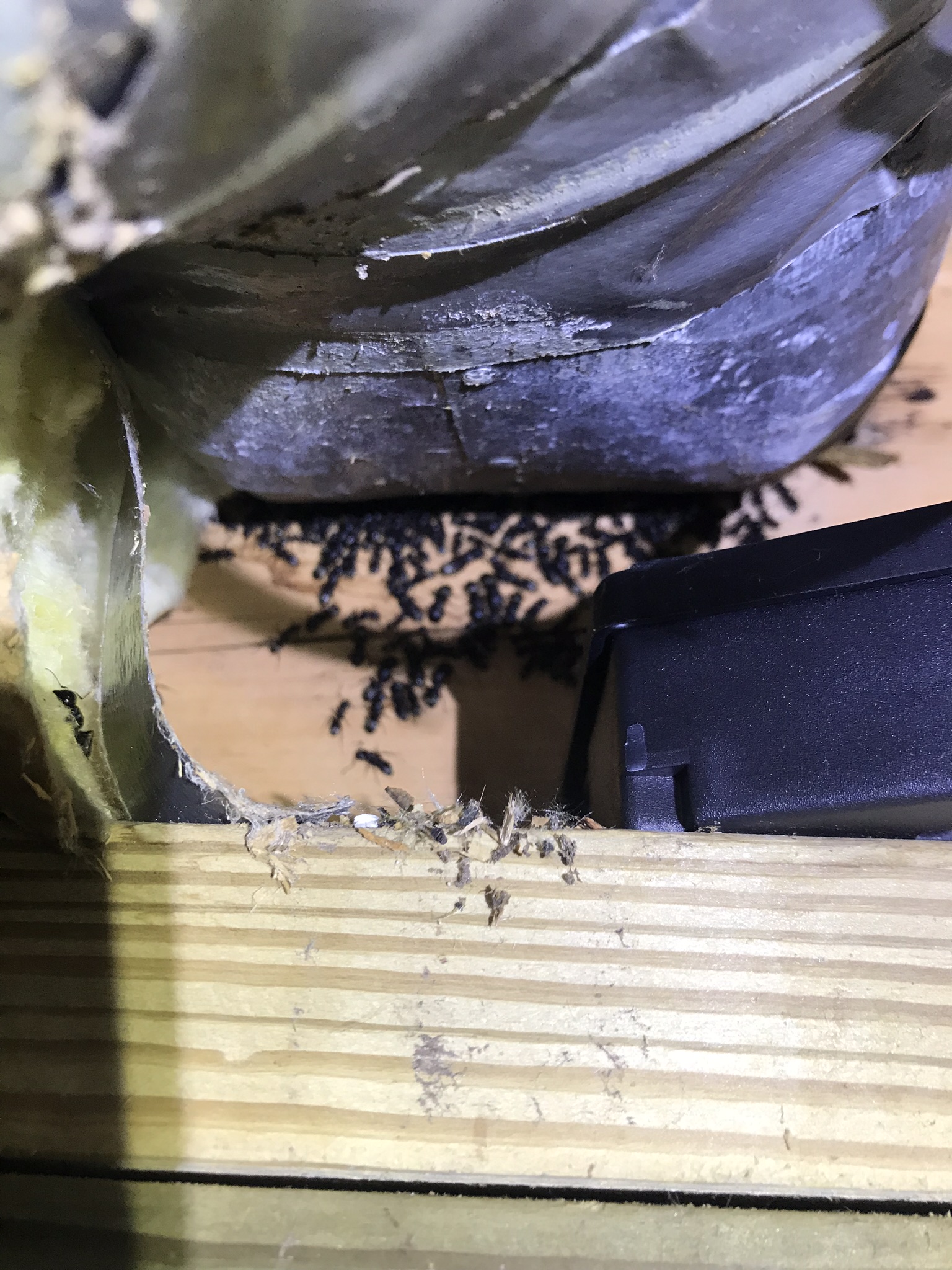
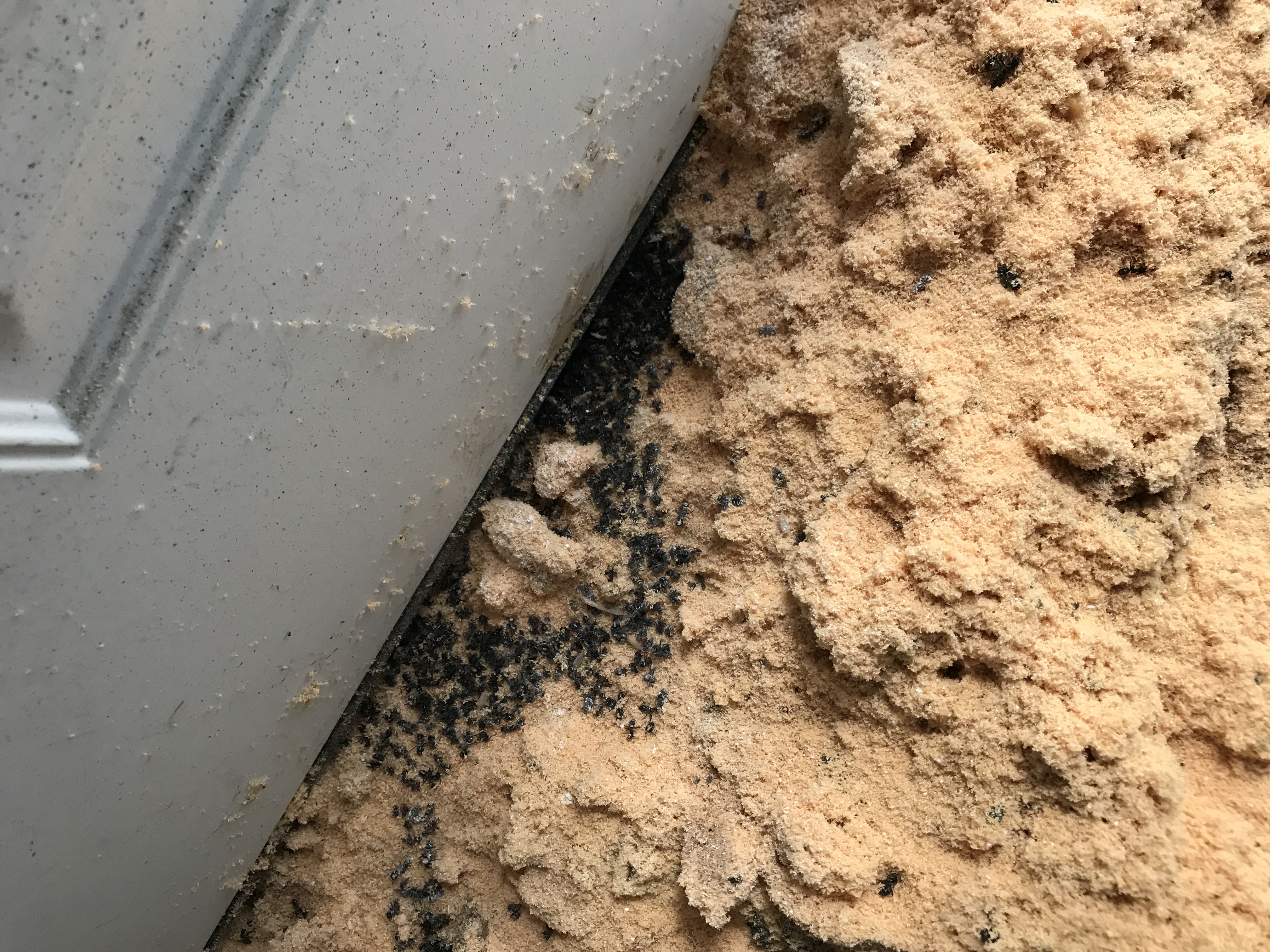
— Service DefinitionCarpenter ants are the most destructive ant species in Connecticut. They bore gallery systems through structural wood, leaving frass, a sawdust-like debris, near their entry points.
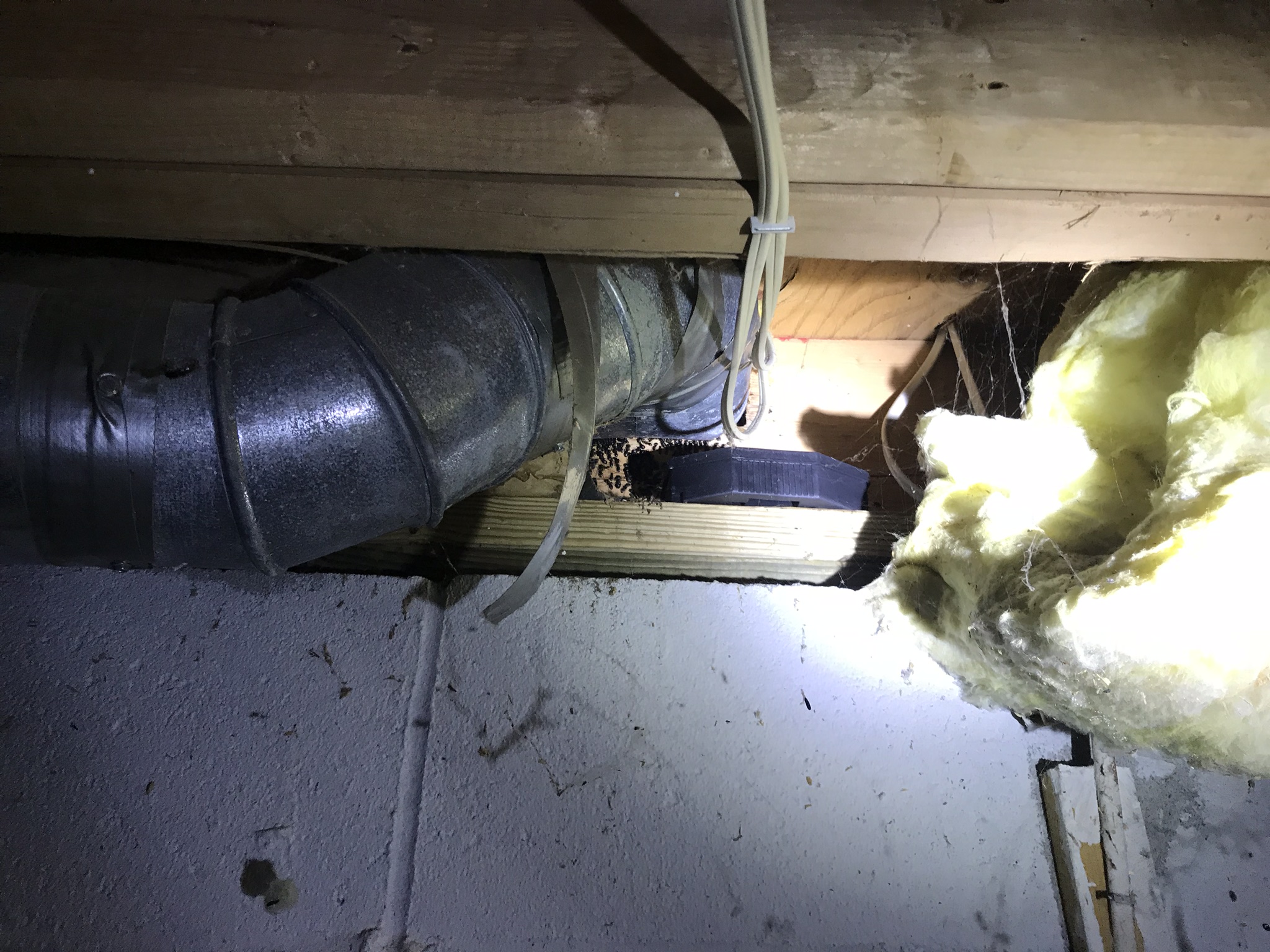
This frass is often the first visible sign of an infestation. Yale Pest technicians trace trailing patterns from frass deposits back to the primary colony and any satellite colonies hidden in wall voids, attics, or crawl spaces.
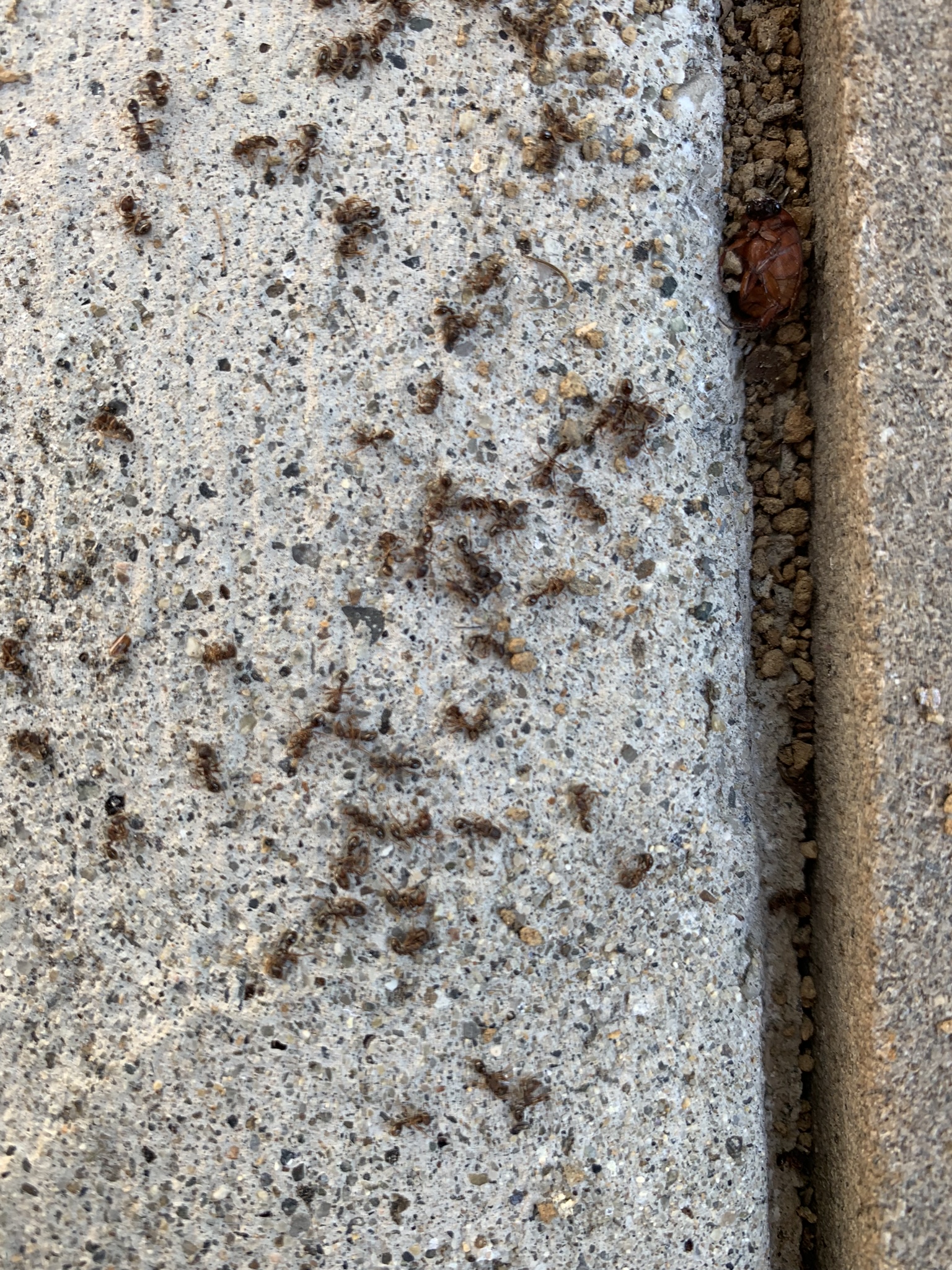
House ants like pavement ants and odorous house ants are less destructive but equally persistent. They establish harborage sites near moisture and food sources, sending scouts along predictable trailing patterns.
Yale Pest Control treats both carpenter ants and house ants with species-specific IPM protocols.
Your technician identifies the ant species on-site. Carpenter ants require different treatment than pavement or odorous house ants. We inspect frass deposits, trailing patterns, and moisture-damaged wood to locate the colony.
Yale Pest traces activity back to the primary colony and satellite colonies. Carpenter ants often maintain satellite colonies in separate locations, so treating one nest without finding the others leads to reinfestation.
We apply targeted treatments directly to colony locations and harborage sites. IPM-based methods minimize chemical exposure while maximizing colony elimination. No broadcast spraying.
After treatment, we seal entry points and recommend moisture corrections that eliminate the conditions ants exploit. This prevents new colonies from establishing harborage.
Spraying visible ants kills foragers but leaves the queen and brood intact. Yale Pest targets the colony directly. Colony elimination means the population does not rebuild.
Carpenter ants hollow out wood framing over months and years. Early identification of frass and gallery systems prevents costly structural repairs. Yale Pest's 43 years of experience means faster, more accurate identification.
Every ant treatment comes with a written guarantee from Yale Pest Control. If ants return, we retreat at no additional cost until the problem is resolved.
Even if other exterminators haven't solved your carpenter ant problem, Yale Pest's IPM approach targets satellite colonies that surface-level treatments miss.
Yale Pest holds QualityPro certification from the NPMA, a standard met by fewer than 3% of pest control companies. Our technicians receive ongoing training from Dr. Austin Frishman of A.M.F. Pest Management.
Yale Pest Control guarantees every ant treatment in writing. If ants return after treatment, we retreat your property at no additional charge. No contracts required. No hidden fees. Finally — an ant exterminator that guarantees colony elimination, not just contact kill.
Without — contracts, hidden fees, or rotating strangers.
Yale Pest Control — Since 1983
Carpenter ants are larger, typically black, and leave frass near wooden structures. Yale Pest identifies the species during inspection and tailors the treatment accordingly.
In most cases, yes. However, carpenter ant infestations with multiple satellite colonies may require a follow-up visit. Our written guarantee covers retreatment at no extra cost.
Yale Pest uses IPM methods that target colony locations specifically, minimizing exposure in living areas. Your technician explains every product used before application.
Call 800-750-9253 during business hours and we respond within 20 minutes. Emergency service is available 24 hours.